
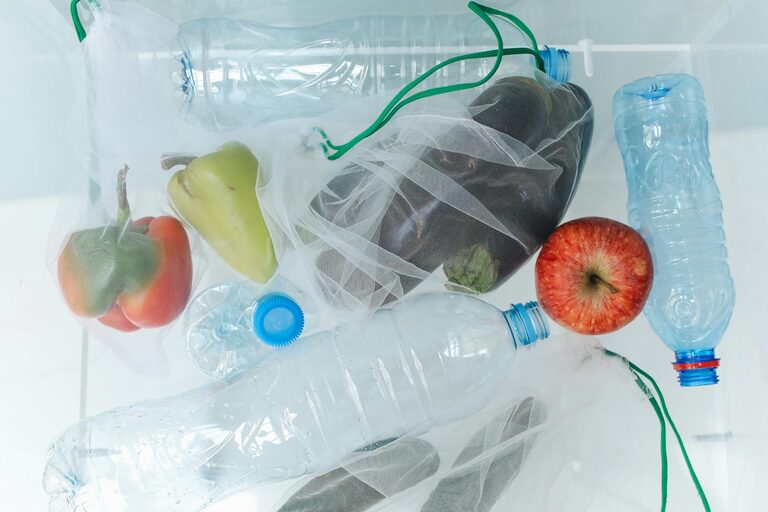
Reducing food waste at home is an important step toward saving money, conserving resources, and helping the environment. On average, households throw away a significant amount of food that could have been eaten, leading to unnecessary waste of both food and money. Fortunately, by adopting some simple habits and strategies, you can make a big difference in minimizing food waste in your kitchen. This post will guide you through practical ways to reduce food waste that anyone can try.
Understanding Food Waste at Home
Before diving into the tips, it helps to understand what contributes to food waste. Common causes include:
– Buying more food than needed
– Improper storage leading to spoilage
– Lack of planning meals
– Misunderstanding expiration dates
– Cooking too much food
By recognizing these issues, you can implement smarter choices to cut down waste.
Plan Your Meals and Shopping Wisely
Make a Weekly Meal Plan
Planning your meals for the week helps you buy only what you need. When you know exactly what you intend to cook, you avoid impulse buys or buying large quantities that go unused.
– Write down meals for each day.
– Check what ingredients you already have.
– Purchase just enough for planned recipes.
Use a Shopping List
Always shop with a list to avoid overbuying. Stick to the list and resist sales on items you don’t need.
Shop More Frequently in Smaller Quantities
If possible, visit the store more often in smaller trips. This allows you to buy fresh produce as needed rather than large amounts that spoil before consumption.
Store Food Properly
Proper storage extends the shelf life of food and reduces spoilage.
Keep Fruits and Vegetables Fresh Longer
– Store leafy greens in a damp paper towel inside a plastic bag.
– Keep some fruits separate to avoid early ripening (for example, apples emit gases that speed up ripening).
– Use clear containers to make food visible and remind you to use it soon.
Understand Storage Needs
Different foods require different conditions:
– Bread lasts longer in a cool, dry place, or can be frozen.
– Dairy products should be kept at the fridge’s coldest part.
– Root vegetables like potatoes and onions store best in a dark, cool area.
Use Leftovers Creatively
Leftovers are food that’s already cooked and ready to eat but often get discarded if forgotten.
Set a “Leftover Day”
Dedicate one day a week to enjoying leftovers. This ensures food doesn’t linger too long and reduces waste.
Transform Leftovers
Repurpose extras into new meals:
– Turn roasted vegetables into soups or salads.
– Use stale bread for croutons or bread pudding.
– Combine bits of meat or vegetables into omelets or stir-fries.
Understand Expiration Dates
Food labels like “sell by,” “best before,” and “use by” can be confusing. Many foods are still safe to eat past their “best before” date if stored properly. Use your senses — smell, look, and taste — to check food safety.
Portion Control While Cooking
Cooking more food than needed leads to waste. Use measuring tools or recipes that specify serving sizes, and store any extras properly for later use.
Compost Food Scraps
While reducing waste is best, some scraps are unavoidable. Composting organic waste like vegetable peels, eggshells, and coffee grounds is an eco-friendly way to deal with scraps.
Donate Excess Food
If you have non-perishable food that you won’t use, consider donating it to local food banks or community kitchens.
Track Your Waste
Keep a food waste diary for a week or two to identify what types of food you throw away most often. This can help you adjust buying and cooking habits.
Technology and Tools to Help
Several apps assist with tracking food inventory, planning meals, and reminding you to use food before it spoils. Explore options that suit your lifestyle.
—
By following these practical tips, you can significantly reduce food waste at home. Not only does this benefit your wallet, but it also contributes to a healthier planet by conserving resources and reducing landfill waste. Start by choosing a few strategies that fit your routine and gradually expand your efforts toward a waste-free kitchen.